Jimmy Webb Tour Poster
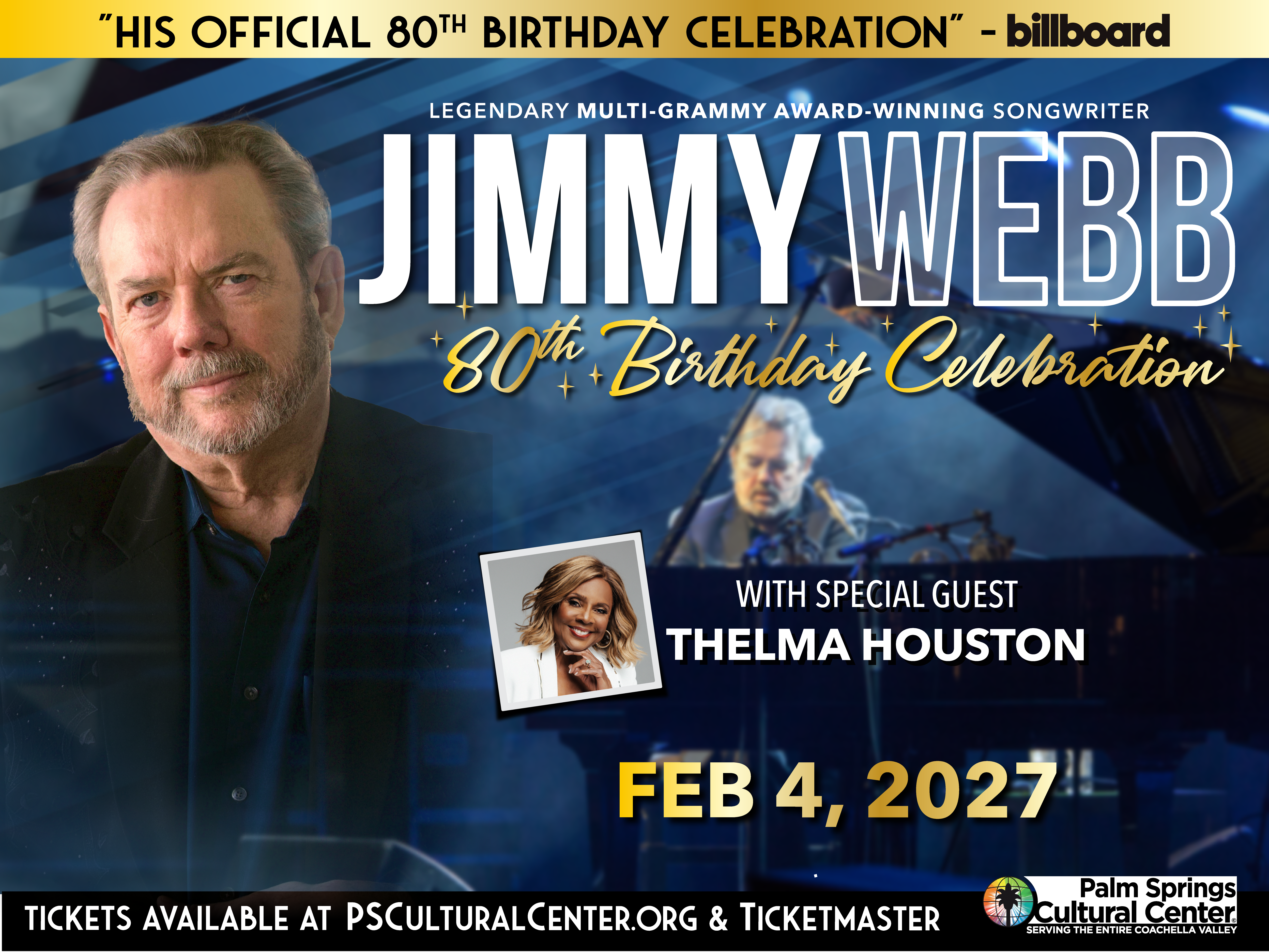
| 4Feb 2027 | Palm SpringsCaliforniaPalm Springs Cultural Center | Thu 7:00 PMJimmy Webb 80th Birtday Celebration with Thelma Houston | From $124 | Buy TicketsFind Hotel |
No dates match that filter.
There are no dates on sale at the moment. New shows are added here the day they are announced.
Jimmy Webb is on the road in 2027. There are 1 show left to see in 1 city; the next is Feb 4, 2027 at Palm Springs Cultural Center in Palm Springs.
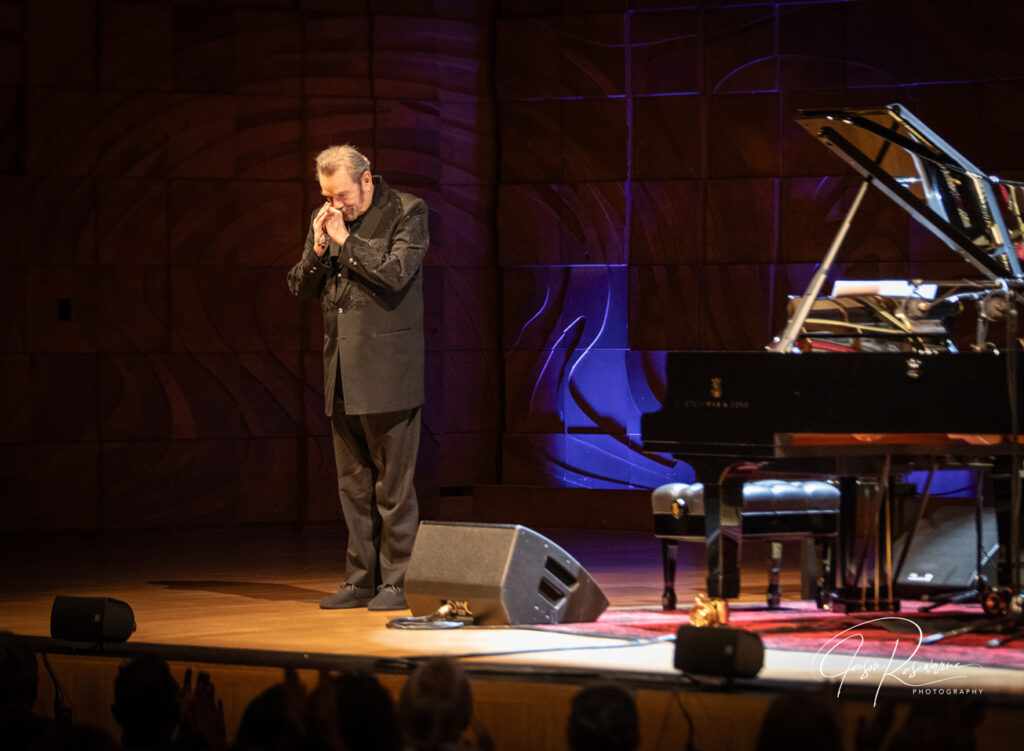
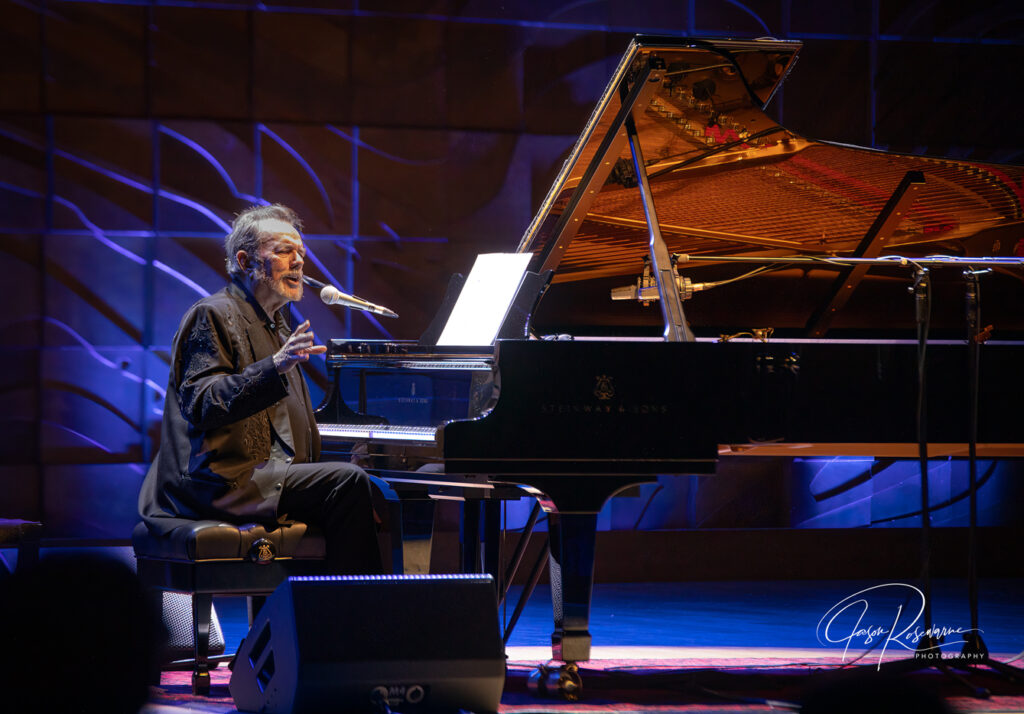
Jimmy Webb's current live run brings one of American songwriting's most decorated craftsmen out from behind the page and into the room, where songs that shaped decades of popular music are heard up close. His catalogue, which includes "Wichita Lineman," "By the Time I Get to Phoenix," "MacArthur Park," and "Galveston," carries an atmosphere of wide-open landscapes, lush orchestral sweep, and quietly aching melody that a live setting lets unfold in full. Expect a performance built around piano and voice, where the harmonic turns and lyrical details land without distraction. Between numbers Webb typically speaks about how the songs were written and the people who recorded them, so the evening feels like a conversation as much as a concert. The pace is unhurried but never slack, with emotional peaks arriving where the writing intends them to. The audience tends to span longtime listeners who grew up with these records, songwriters who study his construction, and younger fans who found the material through covers and screen placements, many arriving with a favorite verse ready to sing back. What makes this run worth noticing is its scope: it stretches across a broad geographic arc and favors theaters and performing arts halls chosen for acoustics and sightlines, which suits detailed material well. Whether you are seeing him for the first time or the fifth, the dates table below lists cities, venues, and showtimes, so check it for the stop nearest you and secure seats early.
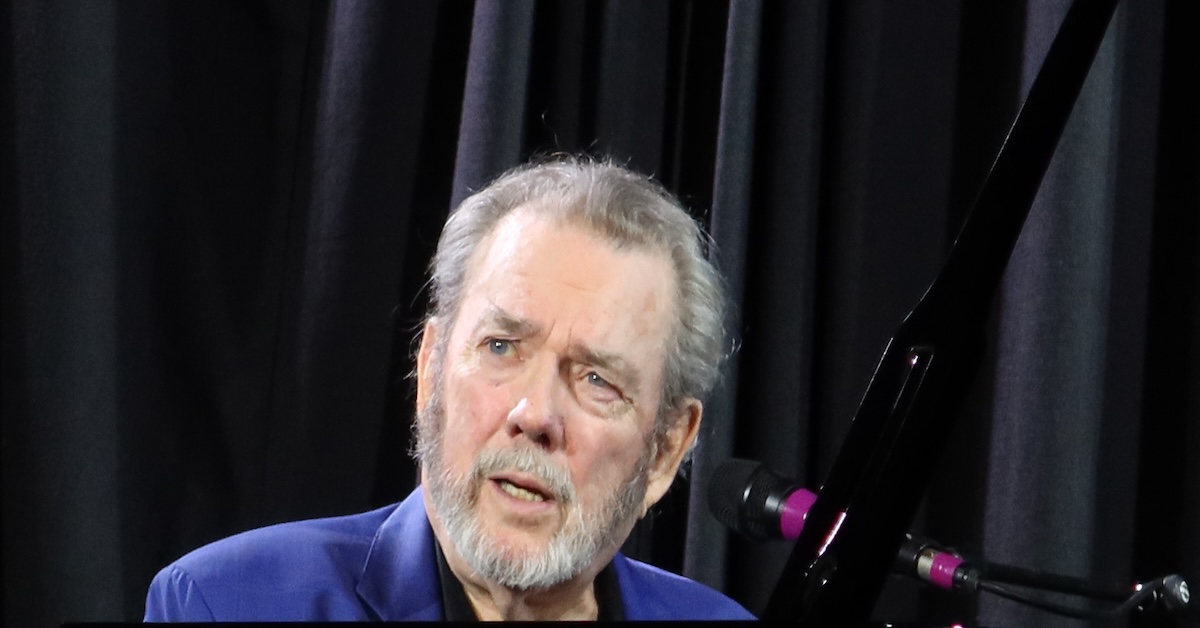
Ticket prices for a Jimmy Webb show are shaped by several factors that interact. The city and the venue's capacity matter most: a larger hall in a major market usually carries higher face values and more fees than a smaller theatre in a secondary town. Seat position counts as well, since floor seats near the stage, center-section seats and rows close to the front are generally priced above side or rear seating, where sightlines are weaker. Timing plays a role too, because prices are often set in tiers that change as the date approaches, and late demand can push secondary prices up. That is why two dates on the same tour can cost very differently: they may sit in different markets, use different venues, or simply be released at different tiers.
VIP packages and meet and greet add-ons are typically sold as bundles that combine a premium seat with extras such as early entry, a merchandise item, or a brief photo opportunity with the artist. What is included varies from date to date, and not every show offers these packages, so availability should be checked for each individual performance. Presales are early windows before general sale, and they are usually run by the artist, the venue or a card issuer. Any presale code you need should come from one of those official sources, such as the artist's mailing list, the venue's announcements, or a bank or card program's notice. A code offered by a third-party site should be treated with caution.
Resale marketplaces can list tickets above or below face value, depending on demand and how close the show is. Before paying, confirm the exact section and row, because listings can be described loosely and a seat that looks close on a map may be farther back in practice. Compare the listed price with the face value and the total after fees. Also expect that many resale tickets are delivered electronically to a phone rather than as a printed paper ticket, so make sure the app or transfer method works for you before the event.
A night at a Jimmy Webb show usually runs for a few hours from start to finish, though the exact length depends on the venue and the schedule for each date. Doors typically open an hour or so before the headline set, giving people time to find their seats, grab a drink and settle in. Support acts vary by date, so the lineup you see on one night may differ from another, and it is worth checking the listing for your specific show rather than relying on what you have heard about other stops on a tour.
The headline set tends to be a thoughtful blend of the well-known songwriting that made Jimmy Webb's name and more recent work that shows where his writing has gone. Expect a focus on the craft of the song: strong melodies, carefully built lyrics and a warm, conversational delivery between numbers, with his piano and voice often at the centre. The pacing generally moves gently, letting ballads breathe and building to more full-bodied arrangements, and the production is usually understated, favouring clear sound and atmosphere over spectacle. It suits listeners who enjoy stories told through music.
A few practical points help the evening go smoothly. Age policies are set by each venue rather than by the artist, so check the event page or the venue's website before buying tickets. Arriving shortly after doors opens lets you get through security and to your seat without rushing, especially at busier venues. Bag rules differ, and many venues ask for small bags only, so plan accordingly. If you are sensitive to loud sound, earplugs are worth bringing, as they reduce volume without muffling the music too much.
Fans of Jimmy Webb usually expect to hear the songs that built his reputation, including "By the Time I Get to Phoenix," "Wichita Lineman," "Up, Up and Away," and "MacArthur Park," along with "Galveston" and "The Highwayman," both of which he wrote for other artists. The exact setlist changes from night to night, so no two shows are quite the same.
The set tends to balance the familiar hits with newer songs from his more recent work, a few deeper cuts, and occasionally a song he wrote for someone else, which gives the evening both nostalgia and surprise. Because that mix varies, fans often compare notes after the show, discussing which songs appeared and which they had hoped to hear.
On recordings, [one concrete sonic detail, such as how harmonies are stacked or how the drums are mixed], which gives the band a recognizable texture across its catalog.
The live show is built around [setlist character, such as the balance of originals and covers, typical set length, and pacing]. Staging uses [stage design details, such as the lighting rig, visuals, and backline arrangement], and the production is scaled for [venue size range, such as clubs, theaters, or festival stages]. Setlists typically [remain fixed or change from night to night, with specifics]. Audiences who value [experiences such as close-up sound, dynamic arrangements, or extended instrumental passages] tend to find the set especially rewarding. The band's touring pattern is [describe, such as regional runs or single-city stops].
Key collaborations include [collaborator names and the project involved], and festival appearances include [festival names and years, only where confirmed]. Chart positions and award results are omitted here unless the band's official records confirm them, and any figures should be added directly from verified sources rather than estimated.
Jimmy Webb sits within [wider scene, such as an independent folk, indie rock, or alternative circuit], alongside [comparable acts a listener might also know]. The audience is usually made up of [listener types, such as longtime genre fans, songwriting-focused listeners, or people discovering the band through streaming or local radio]. Listeners who enjoy [specific musical elements, such as close harmonies or live improvisation] tend to respond most strongly in a live room, where arrangements are easier to hear than through headphones. The surrounding community includes [local venues, promoters, or independent labels that support the scene].
The room often feels [atmosphere, including crowd age, seated or standing setup, and merchandise presence]. Fans should check for [venue policies such as ID requirements or bag restrictions, only if verified].
If the band's sound matches what you enjoy, browse the upcoming dates listed below and compare cities, venue sizes, and ticket options. Schedules can change, so check each listing for the latest times and confirm details with the venue before you travel. Whether you are a longtime follower or new to the band, a single show is a good way to hear the arrangements in person and decide which dates fit your plans.
Jimmy Webb is on the road in 2027. There are 1 show left to see in 1 city; the next is Feb 4, 2027 at Palm Springs Cultural Center in Palm Springs.
No Jimmy Webb show today, Nov 23, 2026 — the next date is Feb 4, 2027 at Palm Springs Cultural Center in Palm Springs.
All 1 upcoming Jimmy Webb show are in the United States. No dates outside the United States are listed right now.
Running time isn't fixed for every date, so the exact length can change from night to night. Many concerts of this kind run roughly one to two hours, including any encore, but treat that as a general guide rather than a promise. Check the event listing for your date on this page, and allow some extra time for travel and an unexpected late start.
Support acts are set for each date, so whether there is an opening act can vary between shows. This page doesn't name one, so don't assume a support act will be there. Look at the event listing for the specific date you plan to attend, since it will show whether a support act is confirmed for that performance.
Age policies are set by each venue and promoter, so they can differ from one show to the next. Some dates may be all ages, while others may carry an 18+ or 21+ limit, often connected to whether alcohol is served. The age requirement for your specific date should appear in the event details on this page. Check it before buying, and bring valid photo ID to the door.
Door times and showtimes are listed separately for each date, and the gap between them varies by venue. Doors usually open well before the artist performs, which gives you time to find your seat and settle in. Exact times aren't included in this FAQ, so please check the event listing for your date. Arriving shortly after doors open is a sensible way to avoid missing the start.
No prices are shown in this FAQ, because ticket costs depend on the date, venue, seat location, and sales channel. Seats closer to the stage or in premium areas usually cost more than general admission, and fees may be added at checkout. Demand for a particular show can also influence pricing. Check the ticketing section for your chosen date to see current prices before you purchase.
Not every date includes VIP packages or meet and greet opportunities, and availability depends on the tour and venue. When they are offered, packages typically describe what's included, such as seating, merchandise, or access, and details can differ by date. Check the event listing on this page for the show you're attending. If no VIP option appears there, it may not be available for that performance.
This page doesn't list presale codes, and it can't confirm whether any exist for a given date. On-sale times and any presale windows are set by the promoter and venue, so they vary by show. Check the dates and ticketing details on this page for your event, and watch the official channels for announcements. Be cautious of unofficial codes shared online.
Policies depend on the venue, the promoter, and the reason for the change. A postponed show usually keeps existing tickets valid for the new date, while a cancelled show is typically refunded, though the details can vary. Refund requests often must be made within a set window, and fees may or may not be returned. Review the ticket terms and any notices on this page for your date.